
Why free website builders are redefining brand development
Brand development used to start with a high upfront investment: hiring designers, commissioning bespoke sites, and running expensive ad campaigns. Free website builders have changed that equation by lowering the financial and technical barriers to entry. Today, a coherent brand identity can be established quickly through a well-designed site created with intuitive tools like a modern website builder. These platforms let small teams and individual creators launch a professional presence that communicates value, credibility, and personality from day one.
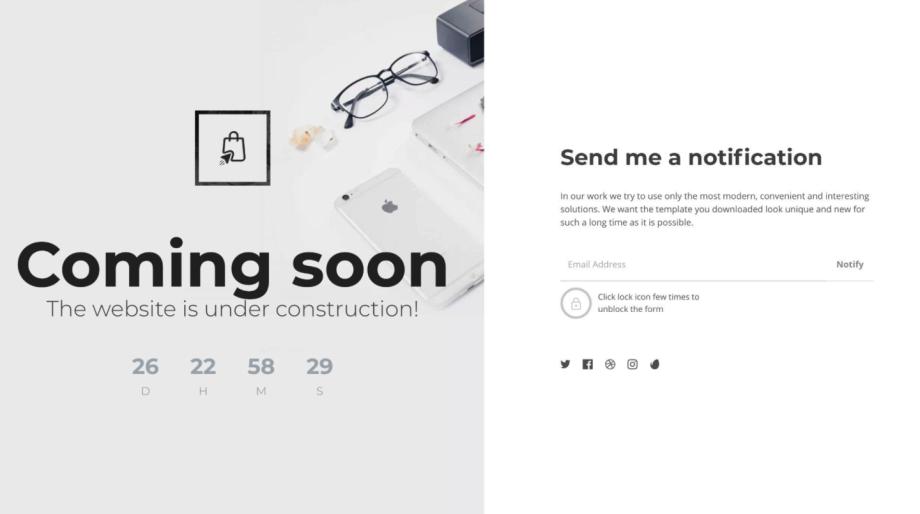
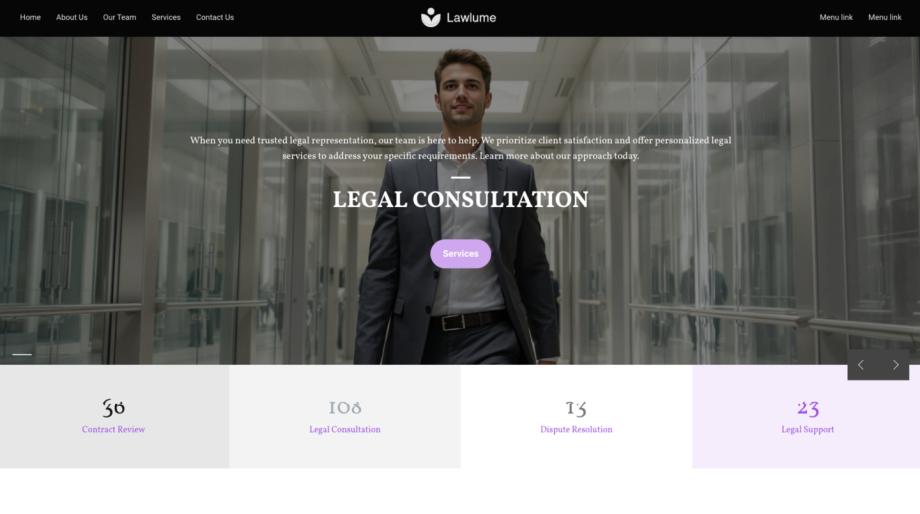
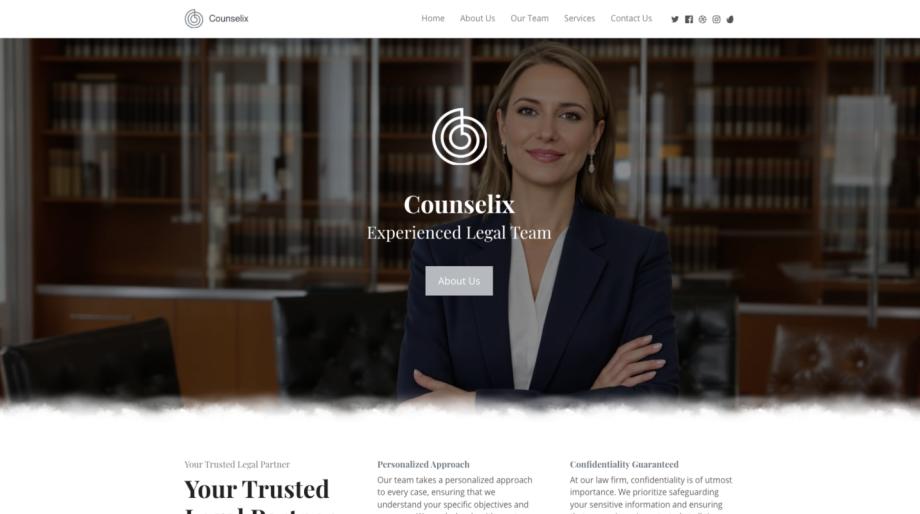
Beyond cost savings, free builders accelerate iteration. You can test visual styles, tweak messaging, and measure responses without rewriting code. Choosing templates that reflect your industry - whether a retail storefront, a professional services site, or a personal blog - gives you a head start. Many providers offer broad template libraries plus industry-specific examples that make it simple to match aesthetics to audience expectations while still standing out.
Integrating social media insights into your website strategy
Brand development now lives at the intersection of your website and your social media footprint. Social platforms are where conversations happen; your website is where conversions and deeper engagement occur. To close that loop, use social analytics to inform site copy, calls to action, and content placement. Tools that provide analytics and performance data help you understand which posts drive traffic, what messaging resonates, and which audience segments are most valuable.
Operationally, a content workflow that syncs social publishing and site updates reduces friction. For example, integrating a post manager helps schedule campaigns and repurpose top-performing content into long-form pages, landing pages, or product descriptions. That repurposing is especially powerful for e-commerce brands: social proof, trending posts, and UGC can be showcased directly on product pages to shorten the path from discovery to purchase.
Responsive design is another key bridge. Social traffic arrives on a variety of devices, and site experiences must be consistent. Prioritize templates and frameworks with robust responsive web design so your branded elements - logo, color palette, typography, and microcopy - translate smoothly from feed to full site. The result is a cohesive brand moment whether a customer clicks from a short reel, a pinned post, or a promoted story.

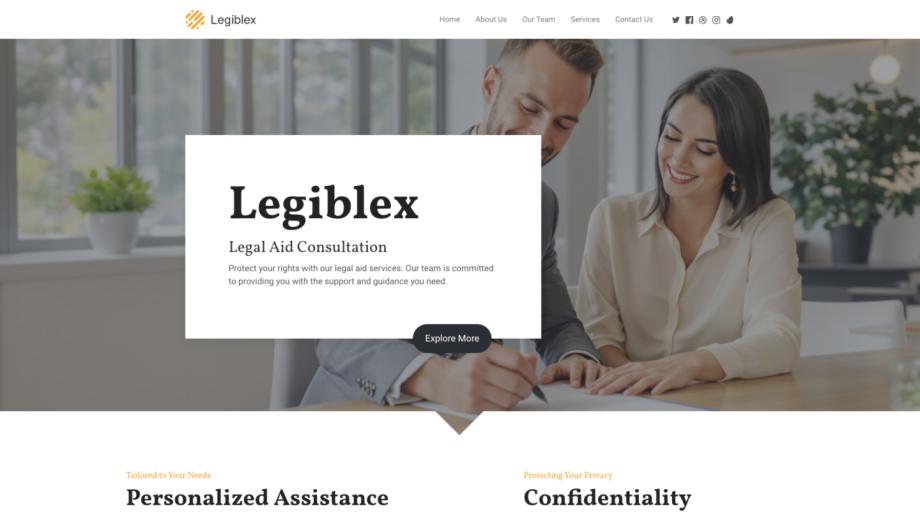
Practical roadmap: tools, templates, and measurable growth
Start with clarity: define the core promise your brand delivers and a handful of target audience segments. From there, pick a builder that supports the features you need. If you sell products, choose a platform with built-in e-commerce capabilities and payment integration. If SEO and content discovery matter more, opt for a stack with robust SEO optimization tools and a clear content publishing flow.
Next, select templates and modules that reinforce your brand story. Whether you're a boutique retailer, a healthcare provider, or a creative agency, templates speed up the process while ensuring visual consistency. Use a combination of evergreen pages (About, Services, Contact) and campaign pages that tie directly to social pushes. If you anticipate growth or a platform change in the future, choose a system that eases platform migration so scaling up won't force a branding reset.
Measure and iterate. Establish KPIs for both site and social performance: traffic sources, conversion rates, average order value, engagement-to-click ratios, and retention metrics. Use social analytics to refine targeting and creative, and translate the winning elements into your site copy, product presentations, and email templates. Small, data-driven tweaks - changing headline variants, reordering navigation, or creating a dedicated landing page for a viral post - compound into meaningful brand differentiation.
Finally, build a playbook that connects content production to business outcomes. Create templates for recurring campaigns, maintain a library of assets that align with your brand guidelines, and set a cadence for testing new ideas. Free and low-cost builders make these practices accessible: they democratize brand development so that creative experimentation, strategic measurement, and consistent design are not privileges but standard operating procedure.
The future of brand development is iterative, integrated, and insight-driven. By combining agile website creation with social media intelligence, brands can move faster, test smarter, and scale with confidence - all while maintaining a recognizable and trusted identity across every touchpoint.